

Neurodiversity at Work: What Real Support Looks Like in 2026
 Workizon Editorial
12th November 2026
4 min read
0
2
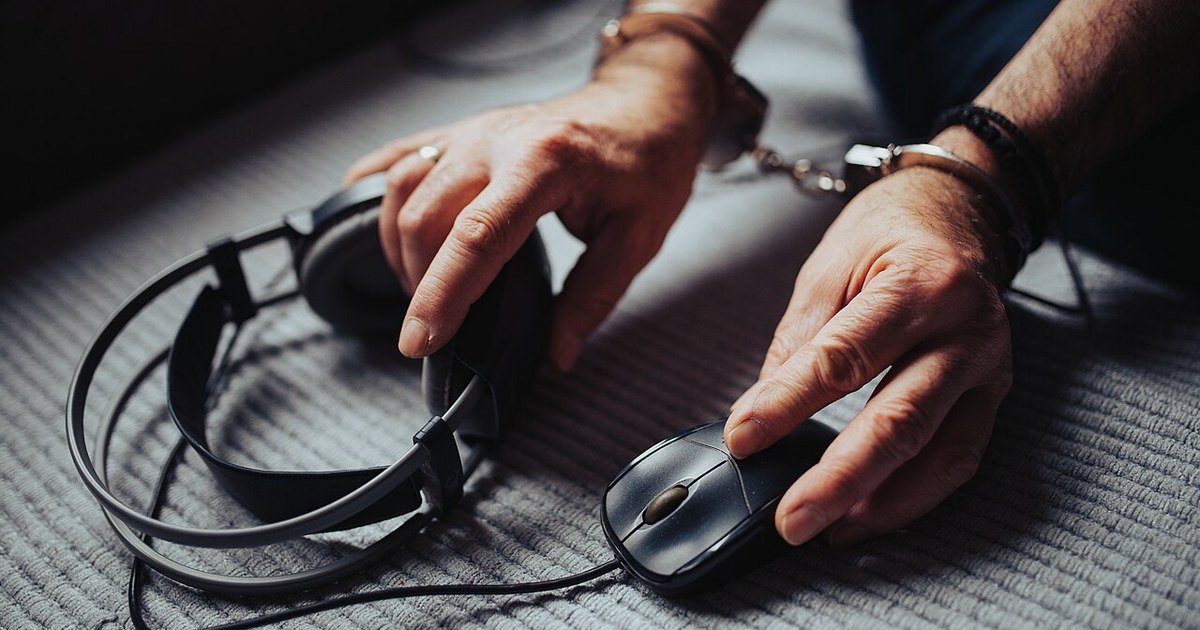
Last autumn a hiring manager showed me a job ad that took four interview rounds to fill. The person who finally got the role mentioned, almost in passing, that open-plan offices wreck her concentration. Nobody had asked her. Nobody had a plan either — until week two, when a colleague handed over a spare pair of noise-cancelling headphones and the problem simply stopped being a problem.
I keep coming back to that story because it shows how little most workplace inclusion work actually costs. The expensive part was not the headphones. It was the four rounds, the onboarding that almost failed, and the six months it took before anyone thought to ask a simple question.
Headphones, yes. But that is the easy part
Ask people who have been through this and you hear the same short list: noise, fluorescent lighting, unpredictable meetings, vague instructions, open-ended "we will see how it goes" deadlines. Fix the ones you can and people stop spending energy on the room and start spending it on the work.
What counts as a reasonable adjustment is often just clarity. Sending an agenda the day before. Writing down a decision instead of leaving it in a hallway conversation. Giving a task with a deadline and a definition of done. None of that needs a budget line.
The expensive ones exist, of course: a screen reader licence, a quieter desk by the window, coaching, a flexible start between seven and ten in the morning. In Germany, a company with more than twenty employees is expected to fill at least five percent of its positions with severely disabled people or pay a compensation levy. Which means the money is often already being spent. Just on the levy instead of the desk.
Interviews still filter out the wrong people
A structured interview, same questions for every candidate, scored on a fixed scale, is boring. It is also one of the few things in hiring that reliably reduces bias. Send the questions forty-eight hours ahead and you get better answers from almost everyone, not only from candidates who think in a straight line under pressure.
Watch out for "culture fit". In practice it often means "reminds me of myself". If your panel has never hired anyone who fidgets, interrupts, or answers a question in a spiral before landing on the point, that is not a candidate problem.
The small things that change a first day
- A named person to ask questions in the first two weeks, not a shared inbox.
- A written first-week schedule, even if it changes later.
- Clear permission to use headphones, leave a meeting early, or take notes on a laptop.
- One sentence on how performance will actually be measured.
The rules are finally catching up
The European Accessibility Act became applicable in June 2025 for a long list of products and services sold in the EU, and public sector websites have carried accessibility duties for years. In the UK, Access to Work can fund equipment, travel and coaching for disabled employees. In the US, the Job Accommodation Network, a free service run with the Department of Labor, answers exactly this kind of question over the phone. Australia has its own version through JobAccess.
None of these schemes will walk into your office and fix a noisy floor. They will, however, pay for the part that costs money. And that is usually the smallest part.
How to ask, if you are the one who needs it
You do not have to explain a diagnosis. In most EU countries you are not obliged to disclose one at all. What you can do is describe the obstacle and propose a fix: "I lose about an hour a day to noise in the east room. Could I move to the quiet side, or use headphones during focus blocks?"
That sentence is hard to argue with. It names a cost, offers two options, and does not ask anyone to feel sorry for you.
If the answer is still no, ask for the refusal in writing. Not as a threat — as a record. Sometimes a request only has to pass one more desk before it becomes possible.
Ten years from now I suspect this will read like asking for a chair that fits. That is the point. It is not generosity, and it is not a perk. It is a workplace designed for more than one kind of person.